

Psychology
The Department of Psychology aims to understand individual development, relationships, learning processes and psychological issues by examining mental processes and human behaviour using scientific methods.
The programme aims to equip students with analytical thinking skills from a global perspective.
General Information
The Department of Psychology aims to educate individuals who are capable of examining human behaviour and mental processes using scientific methods; who can think critically, adhere to ethical principles, possess well-developed analytical skills, and have a strong sense of social responsibility. The programme aims to enable students to evaluate psychological phenomena arising at both the individual and societal levels from a multi-dimensional perspective and to take on effective roles within the field of psychology.
Throughout the four-year undergraduate programme, the curriculum integrates a strong theoretical foundation in the fundamental theoretical approaches of psychology and its sub-fields—such as cognitive, developmental, social and clinical psychology—with courses focused on research, assessment and practical application. The educational process is structured to develop students’ scientific thinking and research skills.
The Psychology Undergraduate Programme has been developed by drawing on interdisciplinary approaches within the social sciences and is delivered in alignment with Istanbul Aydın University’s mission of education, research and social contribution. Within the programme, students acquire competencies in academic writing, statistical analysis, research methods, ethical principles and critical reading.
The educational process is supported by theoretical lectures, seminars, project work and practical activities, aiming to prepare students to enter various fields—such as clinical psychology, education, human resources, counselling, research and academic careers—in a well-equipped manner.
Psychology Bachelor’s Programme / Turkish / 4 Years
Message from the Head of Department
As the Department of Psychology, our primary aim is to educate individuals who can understand human behaviour, thought processes and emotional experiences in the light of scientific principles; who can assess human behaviour from a multidimensional perspective; who are committed to ethical principles; and who possess the skills of critical thinking and academic inquiry.
In line with this, our department’s curriculum is structured to cover fundamental areas such as the core theoretical approaches of psychology, development, clinical psychology, cognitive processes, social psychology, psychopathology, research methods and statistics; it is based on a contemporary educational philosophy that integrates theoretical knowledge with practical analytical skills. The educational process is delivered by our expert academic staff in interactive and student-centred learning environments.
Our aim is to ensure that our students graduate not only equipped with theoretical knowledge, but also with the skills of critical thinking, scientific research, problem-solving, academic writing and the contextual interpretation of human behaviour. This approach enables our graduates to build competent and successful careers across diverse fields such as academic life, clinical practice, education, healthcare, public institutions, civil society organisations and the private sector.
As the Department of Psychology, we have adopted as a fundamental principle the cultivation of graduates who are sensitive to scientific ethical principles, capable of interdisciplinary thinking, possess a strong sense of social responsibility, and embrace lifelong learning. On this academic journey, we continue to learn, create, and contribute scientifically to human life alongside our students.
A Message from the Head of Department to Students: The most meaningful and longest journey a person can undertake is the journey within themselves. If you wish to become a professional who can effectively accompany clients on this journey and shed light on their lives, we, as a team, are committed to providing you with the education and training to help you achieve this goal, in the best and most up-to-date form. Would you like to become part of our Psychology Department family?
With respect and affection
Prof. Dr. Esra Yancar Demir
Programme Overview
The Psychology Programme offers an education that examines human behaviour and mental processes within a scientific, theoretical and applied framework, aiming to develop analytical thinking, research and interpretation skills. The programme seeks to enhance students’ academic and professional competencies by integrating theoretical knowledge with scientific methods and critical thinking; it aims to foster an awareness of ethical responsibility and encourage students to approach the discipline of psychology with a critical perspective.
The educational process is supported by in-class discussions, case studies, research projects, assessment practices and scientific research activities. Students are encouraged to evaluate psychological phenomena within their individual, social and cultural contexts, and to develop holistic analyses in line with different theoretical approaches. The programme’s distinctive features include a strong theoretical foundation, course content centred on current psychology literature, the development of academic writing and research skills, and a quality assurance approach based on continuous improvement.
Aims and Objectives
The primary aim of the programme is to produce graduates who possess a strong theoretical foundation in psychology, have developed scientific and analytical thinking skills, demonstrate a high sense of ethical responsibility, and are capable of evaluating psychological phenomena at both the individual and societal levels from a multidimensional perspective. In line with this, the programme’s objectives are outlined below:
• To provide a theoretical knowledge base grounded in the core and sub-disciplines of psychology (cognitive, developmental, social, clinical, etc.)
• To develop the ability to analyse and interpret human behaviour and mental processes within a scientific framework
• To strengthen competencies in critical thinking, academic writing, research and statistical analysis
• To cultivate individuals committed to ethical principles, human rights, professional responsibilities and academic integrity
• To produce graduates who are adept at interdisciplinary teamwork, open to diverse perspectives and possess effective communication skills
• To equip students with the ability to conduct scientific research, evaluate psychological data, and produce evidence-based applications and analyses
These objectives have been established in line with the Turkish Higher Education Qualifications Framework (TYYÇ) and Istanbul Aydın University’s strategic goals for education, teaching, and quality assurance.
Accreditations
The Department of Psychology has been accredited by the Council of Higher Education (YÖK) and the Council for Higher Education Planning, Supervision, Accreditation and Coordination (YÖDAK), as a testament to the importance we place on quality and educational standards. These accreditations ensure that our educational content meets national and international standards, that our academic staff are competent, and that the quality of the learning environment we provide for our students is guaranteed. Our university aims to provide students with a reliable, high-quality and reputable academic experience by keeping its teaching and learning activities up to date in line with a philosophy of continuous development.
Career Opportunities
The Career Development Centre at Cyprus Aydın University offers career counselling, guidance on internships and employment opportunities, and professional development activities to support students in the Department of Psychology in preparing for professional life. The Centre’s initiatives aim to enhance students’ critical thinking, communication and professional competencies; help them build strong career networks; and enable them to adapt effectively to the labour market.
Graduates of the Department of Psychology can pursue careers in various roles within mental health services, educational institutions, human resources and organisational development units, counselling centres, rehabilitation and social services sectors, research organisations, non-governmental organisations, and the private sector. Furthermore, graduates may pursue academic and research-based career paths by continuing their education in postgraduate programmes in accordance with relevant legislation.
Programme Qualification Type
Admission Requirements
Aydın University of Cyprus admits students who are citizens of the Republic of Turkey (TC) and have graduated from secondary schools or equivalent institutions to its Bachelor’s Degree Programme in Psychology via the central placement system administered by the Student Selection and Placement Centre (ÖSYM).
International students who have graduated from high schools or equivalent institutions are entitled to apply directly to Istanbul Aydın University, provided they meet the specified admission criteria. In the admission of international students, internationally recognised examination results (e.g. SAT, GCE, IB) or national university entrance examinations from certain countries are taken into account.
Detailed information regarding the application and admission process for undergraduate programmes can be accessed via the relevant links on the university’s official website.
Admission Requirements for Students of Northern Cyprus Nationality
Admission Requirements for International Students
Admission, Recognition and Transfers
About Admission, Recognition and Transfers
Horizontal and Vertical Transfer Guidelines
Exemption and Adaptation Guidelines
Students
Staff
The academic and administrative staff involved in the implementation of the program play a key role in achieving the institution’s strategic goals.
Faculty members actively participate in curriculum development, updating course content, and strategic planning processes through regularly held “Department Academic Board Meetings.” The professional development of academic staff is supported through “Training of Trainers” programs and scientific research incentives. In addition, employees’ opinions are gathered annually through “Personnel Satisfaction Surveys,” contributing to the improvement of the working environment. University administrative staff provide logistical and bureaucratic support for educational processes.
Employers and Sectoral Stakeholders
Employers, who are among the key external stakeholders of the Department of Psychology, play a significant role in assessing graduate competencies, programme learning outcomes and employment-focused achievements. Feedback from employers is used to monitor graduates’ scientific thinking, ethical awareness, communication skills, psychological assessment and application competencies, as well as their level of adaptation to professional work environments.
Employer views are gathered through interviews, joint events and career-based interactions with mental health and counselling centres, educational institutions, hospitals and healthcare organisations, human resources and organisational development units, rehabilitation and social service institutions, non-governmental organisations and research centres. This feedback contributes to the updating of course content and the strengthening of the programme’s practical dimension.
Furthermore, within the scope of collaborations with employers, seminars, guest speaker events, career days and practice-oriented activities are organised; these support the enhancement of students’ professional awareness and their preparation for working life.
The Department of Psychology operates in close collaboration with sectoral stakeholders such as mental health and counselling centres, hospitals and healthcare institutions, educational institutions, rehabilitation and social services organisations, human resources and organisational development units, non-governmental organisations, and research centres. These partners contribute to ensuring the programme aligns with current scientific developments, practical requirements and professional standards within the field of psychology.
Through workshops, consultation meetings, collaborations and joint events organised with sectoral partners, the evolving expectations of the field are monitored and integrated into programme development processes. Through these interactions, the aim is for students to establish contact with professional practice settings at an early stage, gain professional awareness, and define their career goals more clearly.
All feedback received from sectoral stakeholders is evaluated within the university’s quality assurance system and contributes to the continuous improvement of the Psychology Programme.
Infrastructure and Physical Facilities
The Department of Psychology possesses a robust physical and technical infrastructure designed to provide its students with a modern and practice-oriented learning environment. Lectures are conducted in smart classrooms and lecture theatres equipped with state-of-the-art technology; interactive and participatory learning is supported by projection systems, smart podiums and audiovisual equipment. Teaching spaces are designed to facilitate both theoretical instruction and presentation, discussion and project-based work.
The Department houses computer laboratories that support practical training in the fields of economics, finance and business administration. Students can carry out practical work in these laboratories using statistical analysis and financial modelling software. Computer laboratories available for shared use across the university also support educational and research activities.
This comprehensive infrastructure and physical facilities reinforce the faculty’s practice-oriented approach to education and contribute to the development of students’ professional competencies.
News & Announcements
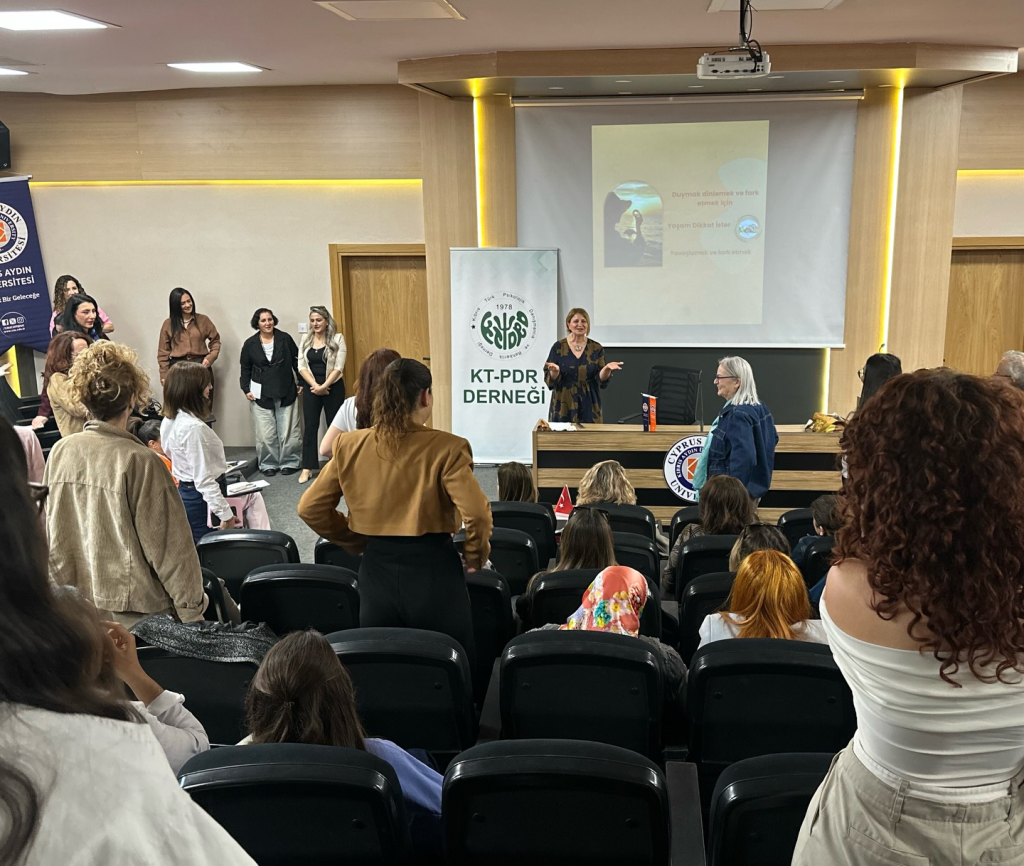
Events
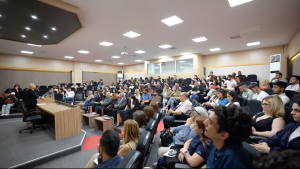
The Department of Psychology aims to organise academic and practice-based events not only to support students’ academic development but also to enable them to keep abreast of current scientific and practical developments in the field of psychology. In this context, conferences, panels, seminars and academic events open to student participation are planned, focusing on clinical psychology, cognitive and developmental psychology, social psychology, mental health, psychological assessment, intervention approaches and current research areas.
The planned events, with the contributions of expert academics, clinicians, researchers and industry representatives, aim to support students in developing their critical thinking, scientific analysis, ethical awareness and discussion skills. Furthermore, it is intended that events designed to enhance students’ academic and professional awareness be conducted from an interdisciplinary perspective.
The Department of Psychology has adopted as a priority objective the creation of opportunities for students to engage with contemporary and high-quality academic environments that bridge theory and practice through events to be organised in the coming periods.
News and Announcements
Students on the International Relations programme at Cyprus Aydın University can view announcements made via our university’s educational information portal (EBS). Upon registration, each student is provided with a student email account with the cau.edu.tr domain, which is actively used. In addition, announcements are sent instantly via WhatsApp class groups to ensure students can be reached quickly through their student representatives.
Contact Information
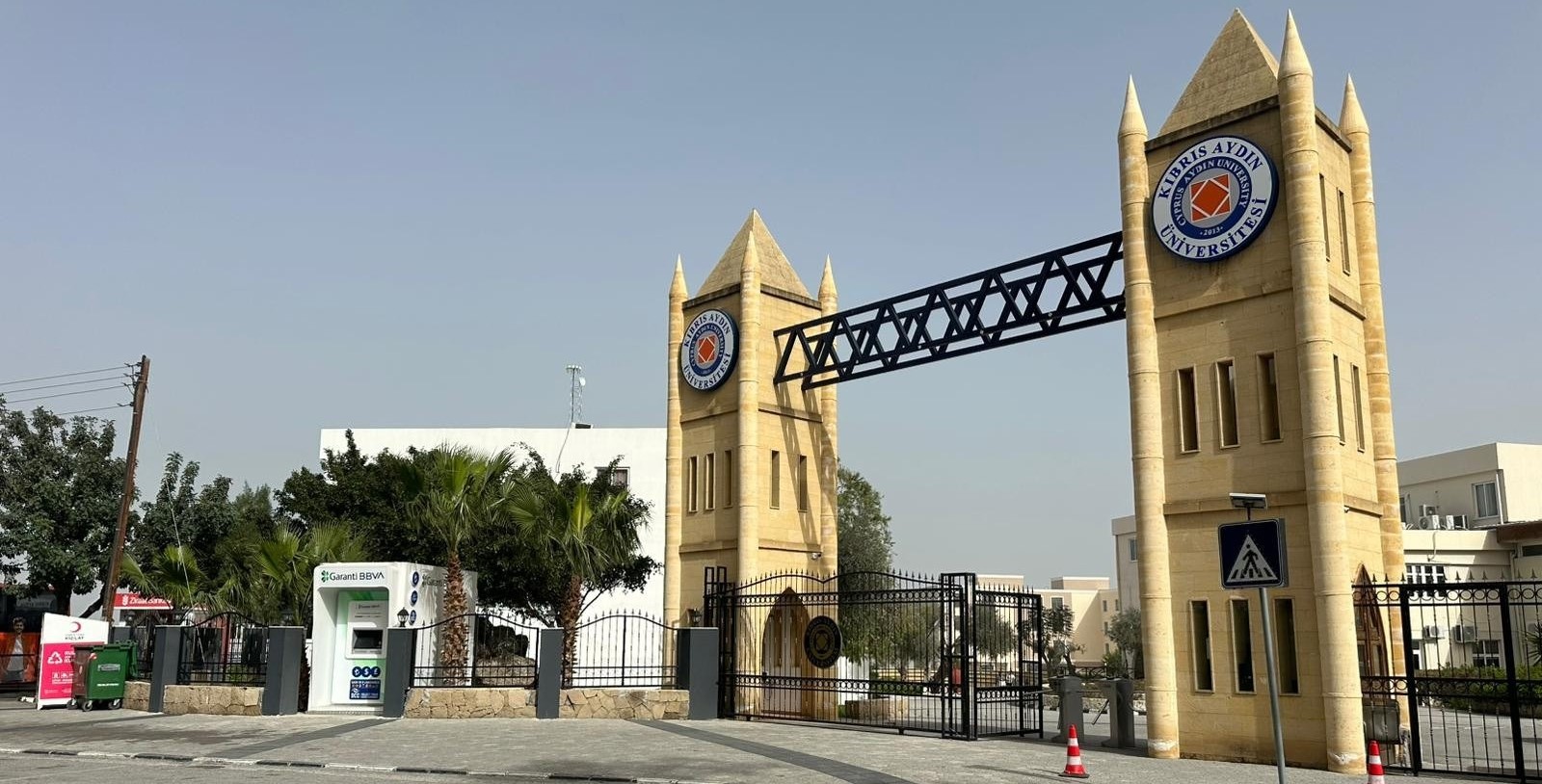
Address: Dr. Fazıl Küçük Caddesi No.80 Ozanköy/Girne Kuzey Kıbrıs
Dean E-mail: [email protected]
Vice Dean E-Mail: [email protected]
Vice Dean E-Mail: [email protected]
Tel: +90 392 650 00 00
Instagram: caucampus
Instagram: cauint
Facebook: Cyprus Aydın University