


Strategic Plan (2024-2028)
Quality HandBook
University Quality Commission
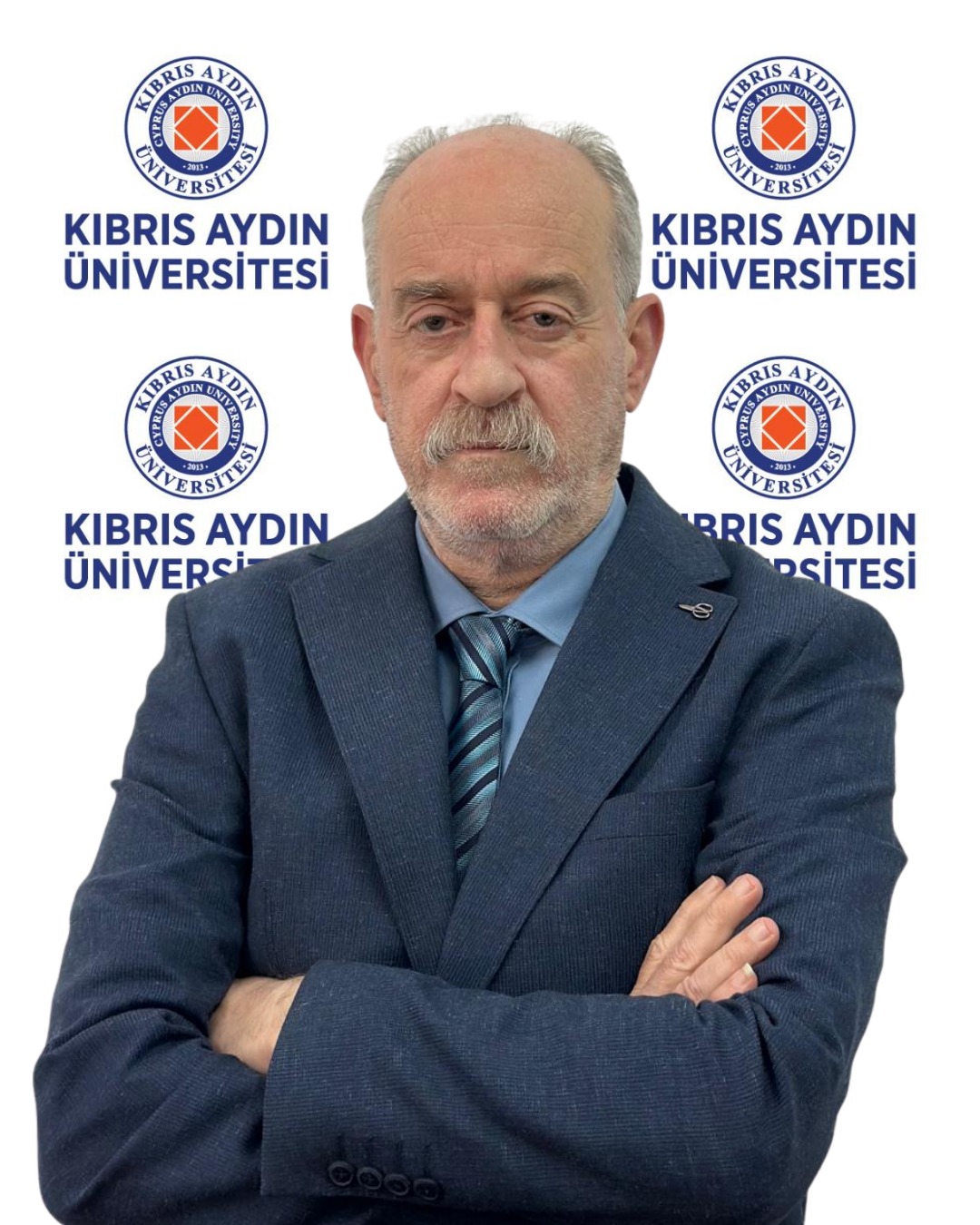
Prof. Dr. Erdal GÜRYAY
Vice-Rector
[email protected]

Prof. Dr. Rukiye KİLİLİ
General Secretary
[email protected]
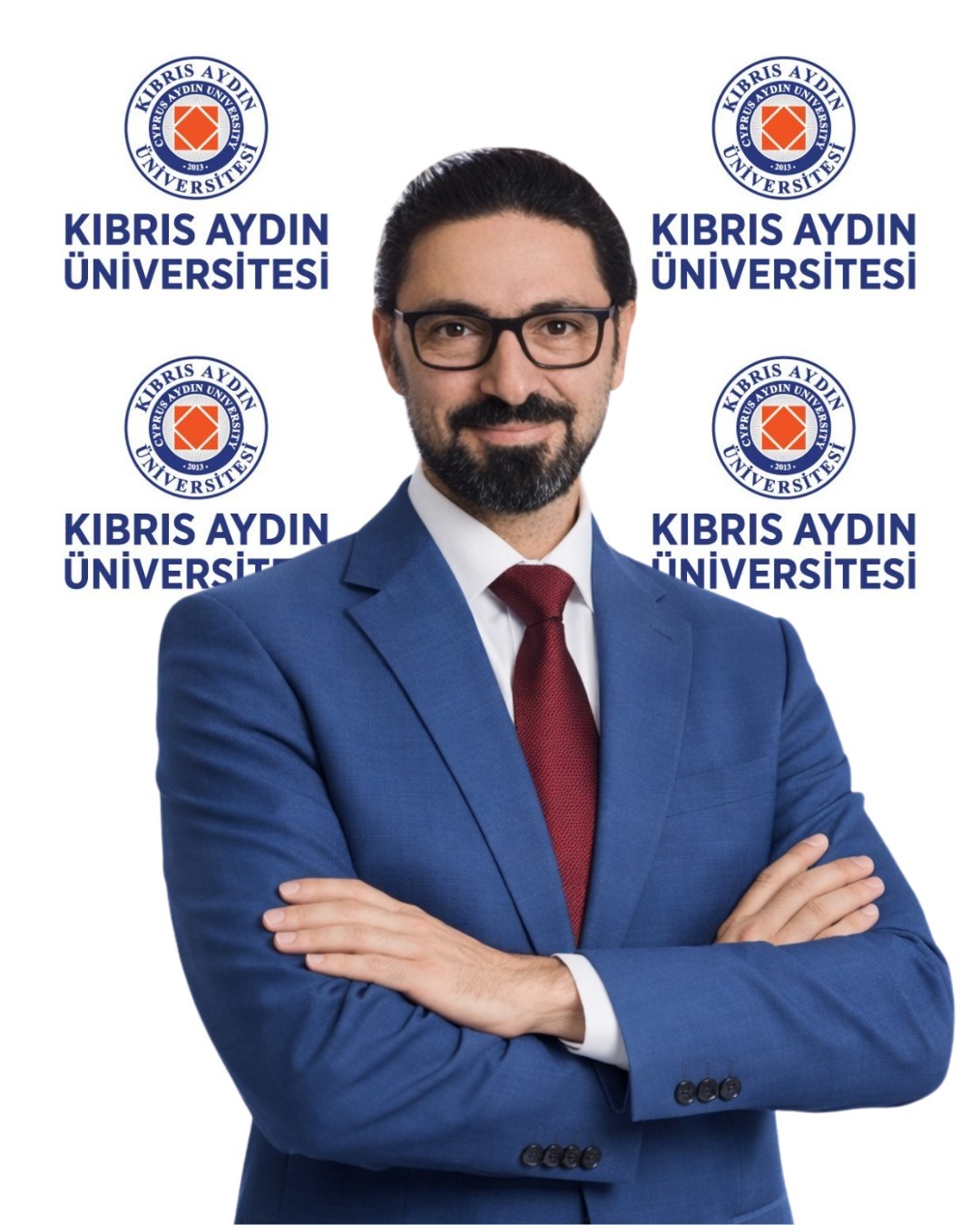
Assoc. Prof. Dr. Cemal YORGANCIOĞLU
Faculty of Humanities and Social Sciences / Vice Dean
[email protected]
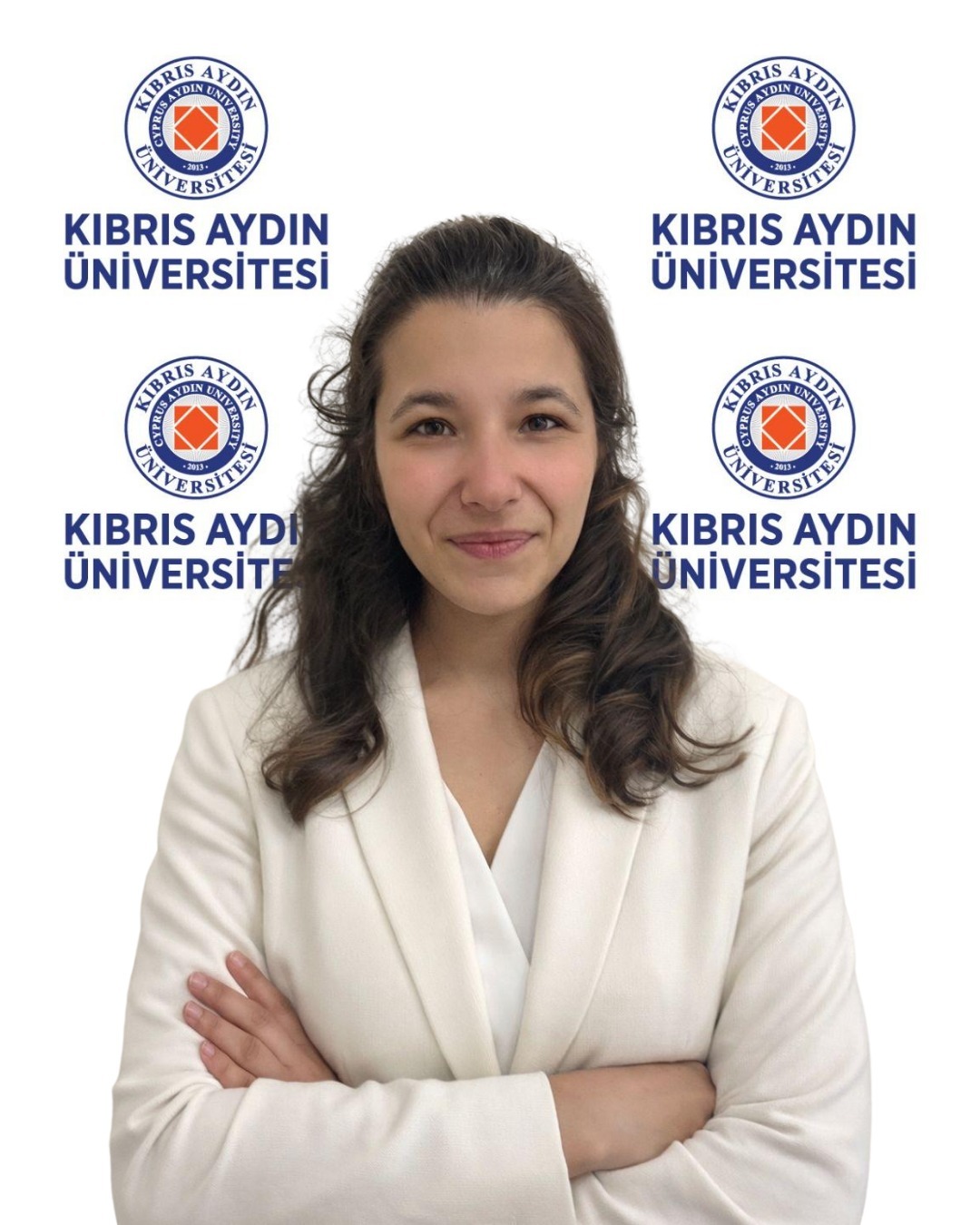
Assoc. Prof. Dr Gizem BARAN
Faculty of Engineering and Architecture / Lecturer
[email protected]
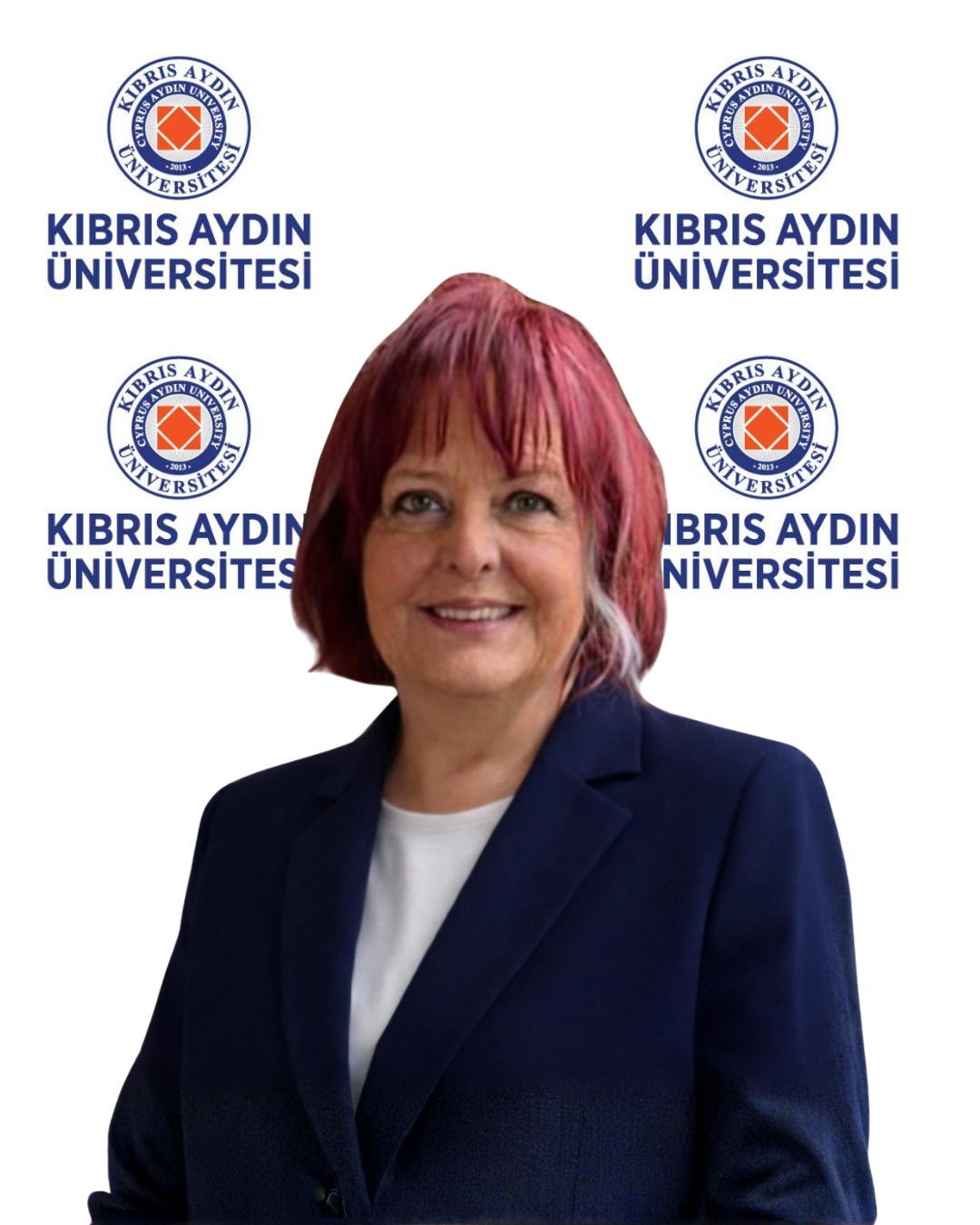
Prof. Dr. Lale BÜYÜKGÖNENÇ
Faculty of Health Sciences / Lecturer
[email protected]
Assoc. Prof. Dr Emine ERKANLI
Faculty of Applied Sciences / Lecturer
[email protected]
Assoc. Prof. Dr Delal BOZYEL
Faculty of Dentistry / Vice Dean
[email protected]
Assoc. Prof. Dr Bedriye YILMAZ ALICI
Faculty of Educational Sciences / Vice Dean
[email protected]
Assoc. Prof. Dr. Mehmet DİREKLİ
Faculty of Law / Vice Dean
[email protected]
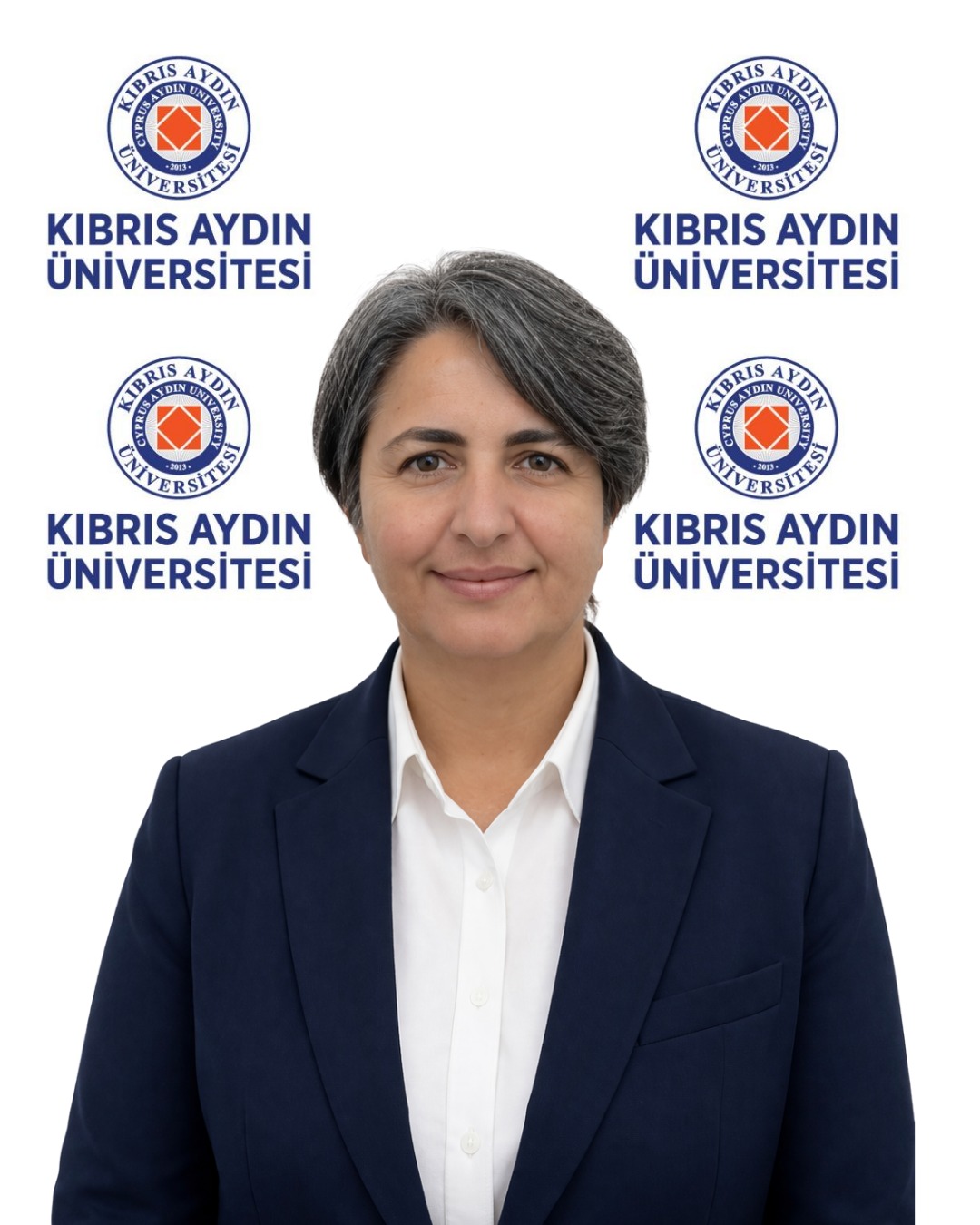
Prof. Dr. Sevil ALBAYRAK
Director of the School of Health Services
[email protected]

Assoc. Prof. Dr Aslı ÖKTEN DEMİRCİOĞLU
Director of KAÜN Vocational School
[email protected]
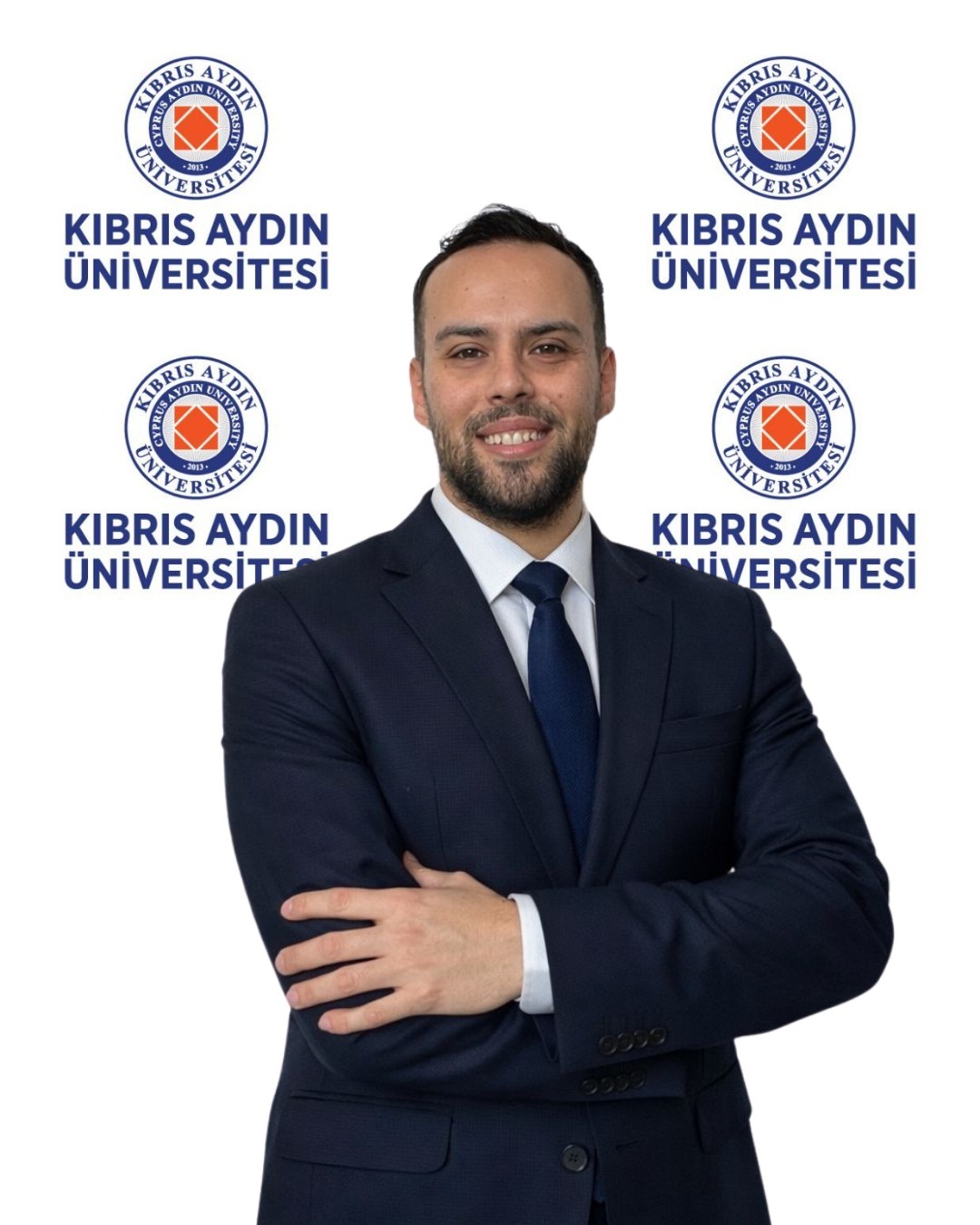
Lecturer Sergen IRMAK
Head of the School of Foreign Languages
[email protected]

Assoc. Prof. Dr Devrim ŞAHİN
Head of the Strategy and Quality Development Department
[email protected]
CYPRUS AYDIN UNIVERSITY QUALITY POLICY
Cyprus Aydın University adopts a quality assurance approach in all its processes relating to education and teaching, research and social contribution. Guided by a participatory, transparent and ethics-based philosophy, the University applies the principles of data-driven decision-making, enhancing stakeholder satisfaction and continuous improvement. By integrating a culture of quality into its organisational structure, the University operates a sustainable quality management system that is aligned with national and international standards.
EDUCATION AND TEACHING POLICY
The Education and Teaching Policy emphasises the creation of a student-centred, research-based, innovative and ethically grounded learning environment, grounded in the understanding that education is the fundamental force that develops the individual and transforms society. Our University aims to strengthen skills in critical thinking, problem-solving, communication, research and ethical responsibility through its up-to-date and continuously developed programmes that support interdisciplinary interaction. The University, which prioritises nurturing individuals capable of competing on a global scale through its multicultural structure and international collaborations, supports students in enhancing their professional competencies through practical education, internship opportunities and a lifelong learning approach. All education and teaching processes are continuously monitored, evaluated and developed in line with stakeholder feedback and quality assurance principles.
RESEARCH POLICY
The Research Policy aims to establish a research ecosystem capable of competing at both national and international levels, centring on the production of scientific knowledge, innovation and societal benefit. Our University adopts as a primary objective the provision of a robust academic and technical infrastructure that supports the conduct of research grounded in ethical values, responsive to societal needs, interdisciplinary and of high quality. The active participation of students in research processes, the promotion of research-based learning and the development of scientific thinking skills are regarded as key elements for the sustainability of the research culture.
SOCIAL CONTRIBUTION POLICY
The Social Contribution Policy is based on an approach that regards the transformation of knowledge, culture and scientific output into social benefit as a fundamental responsibility; it aims to establish a sustainable, inclusive, ethically grounded and accessible interaction with society. Our University aims to analyse societal needs and develop programmes and projects targeting priority areas; to promote social contribution initiatives integrated with teaching, learning and research activities; and to support students’ awareness of volunteering, social responsibility and active citizenship. The University has adopted as a core policy the promotion of sustainable practices that foster environmental and social responsibility, the enhancement of social awareness, and the development of solutions responsive to the needs of society, achieved by strengthening partnerships with stakeholder organisations.
MANAGEMENT POLICY
The Management Policy is based on a management philosophy that places the student at the centre, aims to provide education in line with international standards, enhance global visibility and institutional prestige, and nurture responsible individuals who are sensitive to societal needs. Our University aims to foster a fair and equitable institutional culture that encourages the active participation of all stakeholders in decision-making processes, in line with the principles of transparent, participatory, accountable and quality-focused management. This policy, which is based on the effective and sustainable use of human, financial and physical resources in alignment with strategic objectives, is founded on the regular monitoring and improvement of quality assurance processes, the effective use of digital transformation and information management systems across all units, and the protection of data security and institutional integrity.
INTERNATIONALISATION POLICY
The Internationalisation Policy is based on strengthening the global dimension of education, research and community engagement activities, creating an academic environment enriched by cultural diversity, and enhancing international recognition. In line with the defined strategies and objectives, our university actively supports international academic collaborations, student and academic exchange programmes, joint projects and engagement with global academic networks by conducting internationalisation processes in a transparent, planned and sustainable manner. Through strategic partnerships established with national and international stakeholders, the University aims to increase student and academic mobility, strengthen scientific collaborations, and provide a multicultural, safe and inclusive learning environment.
HUMAN RESOURCES POLICY
The Human Resources Policy aims to attract qualified personnel to the institution in line with the principles of quality, sustainability and continuous improvement; to develop employees’ knowledge, skills and competencies; and to create a professional working environment appropriate to higher education. Our University conducts academic and administrative staff planning in alignment with strategic objectives, based on the principle of placing the right person in the right role; it adopts as a fundamental priority ensuring that staff perform their duties in a healthy and safe working environment, maintaining a work culture grounded in ethical values, and acting in accordance with the principle of data protection. By monitoring staff satisfaction through regular feedback mechanisms, it places a continuous improvement approach aimed at enhancing organisational commitment and productivity at the heart of all human resources practices.
INFORMATION SECURITY POLICY
Cyprus Aydın University regards the protection of the confidentiality, integrity and availability of its information assets as a fundamental institutional responsibility; it approaches information security as a dynamic process that is not limited to technical measures alone, but requires the joint participation of all stakeholders. In line with this, the University regularly reviews its information security processes, supporting them with the latest technology and methods, and continuously improves them to address evolving threats. This approach aims to strengthen the University’s institutional reputation and reliability whilst ensuring that all stakeholders’ information is protected to the highest standards.
Code of Ethical Conduct and Implementation Policy
Cyprus Aydın University aims to nurture individuals who are socially and globally responsible, capable of generating added value, and to support scientific output through its people-centred approach. In line with this, the university embraces the principles of integrity, transparency, reliability, justice, equality, academic integrity, respect for human rights, social responsibility and sustainability as its core values. While impartiality, confidentiality, accountability and adherence to ethical principles are fundamental to all academic and administrative processes, behaviours such as discrimination, bullying, unethical conflicts of interest and scientific misconduct are not permitted. The University aims to create a safe, respectful and inclusive working and learning environment; it supports education, awareness-raising initiatives and the necessary implementation mechanisms to promote an ethical culture.
Gender Equality Policy
Cyprus Aydın University embraces gender equality as a fundamental institutional value and aims to create an equitable, inclusive and fair environment across its educational, research, administrative and community engagement processes. This policy aims to prevent gender-based discrimination, ensure equal opportunities and provide a safe and respectful academic environment for all stakeholders.
Digitalisation and Digital Competence Policy
Cyprus Aydin University adopts digital transformation as a strategic priority in its education and training, research and development, social contribution, and governance processes, and supports the effective, secure, and sustainable use of digital technologies. In this regard, the University aims to enhance the digital competencies of its academic and administrative staff by embracing a student-centred and competence-based digital learning approach, while also improving students’ artificial intelligence literacy, digital research skills, and cybersecurity awareness.
The policy is implemented in line with the principles of digital ethics, data security, protection of personal data, accessibility, inclusiveness, lifelong learning, and continuous improvement, and is carried out in alignment with the Council of Higher Education (YÖK) Vision 2030 and the University’s 2024–2028 Strategic Plan.
The University aims to expand hybrid and flexible learning models, develop micro-credentials, digital badges, and certification programmes, support open science and open data practices, and strengthen international digital collaborations.
Within the scope of the implementation of this policy, digital competence training plans are prepared for each academic year, digital educational materials and artificial intelligence-supported quality assurance processes are developed, and practices are regularly monitored in accordance with predetermined performance indicators and continuously improved through annual evaluations.
The policy enters into force upon approval by the Senate and is implemented by the relevant academic and administrative units.
Artificial Intelligence Usage Policy
1. Purpose
The purpose of this policy is to establish the fundamental principles and procedures governing the ethical, secure, transparent, and responsible use of artificial intelligence technologies within Cyprus Aydin University in the areas of education and training, research, social contribution, and administrative processes.
2. Scope
This policy applies to:
• academic and administrative staff,
• associate, undergraduate, and postgraduate students,
• researchers, and
• all stakeholders acting on behalf of the University.
3. Fundamental Principles
Cyprus Aydin University adopts the following principles regarding the use of artificial intelligence:
1. Artificial intelligence is a tool that supports education and research; it does not replace human academic responsibility.
2. The use of artificial intelligence shall comply with the principles of academic integrity, ethical standards, and scientific research practices.
3. The responsibility for verifying the accuracy and reliability of content generated by artificial intelligence rests with the user.
4. The use of artificial intelligence tools shall comply with national and international regulations concerning the protection of personal data, information security, and intellectual property rights.
5. Institutional information, research data, or personal data with confidentiality requirements shall not be uploaded to publicly accessible artificial intelligence systems.
6. Transparency is essential in the use of artificial intelligence. Where necessary, the tools used and the extent of their use shall be clearly disclosed.
7. Artificial intelligence shall not be used for discrimination, the production of misleading information, cyberbullying, deepfakes, academic fraud, or any other unethical purposes.
4. Use of Artificial Intelligence in Education and Teaching
The University encourages the use of artificial intelligence as a technology that supports learning.
Academic staff shall:
• clearly specify the rules regarding the use of artificial intelligence in course syllabi,
• explicitly indicate in which assignments, projects, and assessments the use of artificial intelligence is permitted, and
• inform students about the benefits, limitations, and ethical risks associated with artificial intelligence.
5. Students’ Use of Artificial Intelligence
Students may use artificial intelligence tools for:
• idea generation,
• literature review,
• language editing,
• programming support, and
• supporting learning.
However:
• content generated by artificial intelligence may not be submitted as the student’s own work,
• artificial intelligence may not be used in assessments where it has been prohibited by the instructor, and
• the artificial intelligence tools used and their contribution to the work shall be clearly disclosed when required.
6. Use of Artificial Intelligence in Research
Artificial intelligence may be used in research for purposes such as:
• data analysis,
• code development,
• drafting, and
• language editing.
Nevertheless:
• researchers remain responsible for scientific interpretations and conclusions,
• artificial intelligence may not be listed as an author of scholarly work, and
• outputs generated by artificial intelligence may not be used as scientific data without verification.
7. Assessment and Evaluation
For each course, instructors may determine one of the following approaches:
• full permission for the use of artificial intelligence,
• permission within specified limitations, or
• prohibition of the use of artificial intelligence.
These rules shall be communicated to students before the commencement of the course.
8. Academic Integrity
The following situations shall be considered violations of academic ethics:
• presenting work generated by artificial intelligence as personal work without proper acknowledgement,
• presenting data generated by artificial intelligence as genuine research data,
• using fabricated references or fictitious citations, and
• violating examination regulations through the use of artificial intelligence.
In such cases, the University’s Academic Integrity and Disciplinary Regulations shall apply.
9. Data Security
The following information shall not be uploaded to artificial intelligence systems:
• student information,
• staff information,
• health data,
• examination questions,
• unpublished research data, and
• documents containing institutional confidential information.
10. Faculty and Departmental Practices
Each faculty and department may:
• prepare artificial intelligence usage guidelines tailored to the needs of the discipline,
• develop course-specific applications and practices, and
• plan training activities that support artificial intelligence literacy.
11. Entry into Force
This policy shall enter into force on the date of approval by the University Senate. It shall be reviewed and updated regularly in line with technological developments and relevant legislation.
ACADEMIC UNIT QUALITY COMMITTEES
- Dentistry Faculty Quality Committee Members
- Educational Sciences Faculty Quality Committee Members
- Law Faculty Quality Committee
- Members of the Humanities and Social Sciences Faculty Quality Commission
- Faculty Of Engineering And Architecture Quality Committee Members
- Health Sciences Faculty Quality Committee Members
- Members Of The Faculty Of Applied Sciences Quality Committee
- School Of Foreign Languages Quality Committee Members
- Vocational School of Health Sciences Quality Commission Members
- Vocational School Quality Commission Members
Procedures
- Procedure for the Planning of Education and Teaching Services
- Procedure For The Control Of Documents And Records
Procedures of the Directorate of Personnel
- Staff Recruitment And Selection Procedure
- Orientation And Onboarding Procedure
- In-Service Training Procedure
- Performance Management System Procedure
- Probationary Period Evaluation Procedure
Procedures of the Directorate of Information Technology
Job Descriptions
Job Descriptions for Academic Units:
- Rector’s Job Description
- Job Description of the Vice-Rector for Academic Affairs
- Job Description for the Vice-Rector Responsible for Administrative Affairs
- Dean’s Job Description
- College/Vocational College Director Job Description
- Institute Director Job Description
- Head of Department
- Vice Dean Job Description
- Institute Deputy Director Job Description
- College Deputy Director Job Description
- Department Head Job Description
- Department Vice-Chair Job Description
- Lecturer Job Description
- Lecturer Job Description
- Research Assistant Job Description
Administrative Units Job Descriptions:
- Job Description for the Secretary General
- Deputy Secretary-General Job Description
- Job Description for the Head of the Information Technology Department
- IT Management Officer Job Description
- Job Description for the Head of the Finance Department
- Student Accounts Specialist Job Description
- Job Description for the Head of Student Affairs
- Student Affairs Specialist Job Description
- Head of Personnel Department Job Description
- Job Description for the Director of Administrative Affairs and Head of Department
- Academic Units Secretary Job Description
- Property Accountant Job Description
- Job Description for the Director of the Department of Health, Culture and Sports Activities
- Job Description for Health, Culture and Sports Activities Specialist
- Job Description for the Head of the Library and Documentation Department
- Job Description for the Head of the Press, Public Relations and Public Affairs Department
- Corporate Communications and Marketing Specialist Job Description
- Job Description for the Director of International Relations and International Student Recruitment
- International Student Recruitment Specialist Job Description
Workflows
- Academic Staff Position Approval and Recruitment Workflow
- Academic Staff Annual Leave Procedures Workflow
- Double Major Application and Registration Workflow Chart
- Fixed Assets and Consumable Materials Workflow
- Vertical Transfer Examination Registration Workflow
- Diploma Preparation Workflow
- Diploma Delivery Workflow
- Prenatal Leave Workflow
- Administrative Staff Position Approval and Recruitment Workflow
- Administrative Staff Annual Leave Procedures Workflow
- Incoming Student Procedures under Bilateral Cooperation Agreements Workflow
- Outgoing Student Procedures under Bilateral Cooperation Agreements Workflow
- Resignation Procedures Workflow
- Student Registration Workflow
- Book Return Procedures Workflow
- Book Loan Procedures Workflow
- Make-up Examination Workflow
- Graduation Procedures Workflow
- Senate and Executive Board Meeting Workflow
- Periodical Publications Procedures Workflow
- International Events and Activities Workflow
- International Student Recruitment, Online Application and Registration Process
- Unpaid Leave Workflow
- Minor Program Application Workflow
- Horizontal Transfer Student Application Workflow
- Year-End Inventory and Warehouse Stocktaking Workflow
Forms
- Academic Staff Interview Form
- Academic Staff Leave Request Form
- Administrative Staff Leave Request Form
- Administrative Staff Job Application Form
- Sample Language Proficiency Test Participation Request Form
- Sample Academic Staff Application Form
- Event Form
- Horizontal Transfer Application Form
- Student Petition Evaluation Form
- Enrolment Suspension Form
- Registration Form
- Registration Cancellation Form
- Graduation Form
- Lateral Transfer Application Form